Tree surgery covers a wide range of work, from removing selected branches to dismantling an entire tree. Choosing the correct service depends on the tree’s condition, the problem you want to solve and how the tree relates to the rest of the garden.
Requesting a particular type of work before the tree has been assessed can lead to unnecessary cutting or leave the original issue unresolved. A professional tree surgeon should first examine the tree and explain which approach is appropriate.
Which Tree Surgery Service Does Your Garden Need?
The starting point is to identify the outcome you want rather than assuming a specific technique is required. Clearance, light, appearance, tree condition and future garden plans may each call for a different solution.
Begin with a Professional Tree Assessment
A tree should be considered as a complete living structure. Its species, age, shape, condition and surroundings all influence what work it can tolerate and what result is achievable.
A professional assessment may consider:
- The condition of the trunk and main branches
- Dead, damaged or crossing growth
- The tree’s natural crown shape
- Its distance from buildings and garden features
- Available access for people and equipment
- The amount of clearance required
- Previous pruning work
- The intended future use of the space
This information helps distinguish a genuine tree-care need from a concern that may require little or no intervention.
Tree Pruning for Selected Branches
General pruning may be suitable when only particular branches require attention. This can include growth that is damaged, crossing, poorly positioned or extending into an unsuitable area.
Selective pruning aims to solve a defined problem while retaining the wider crown. It should not involve removing branches without considering their role in the tree’s structure and natural appearance.
Tree Cutting and Trimming for Clearance
Cutting or trimming may be appropriate where smaller branches are obstructing paths, driveways, windows or garden features. The work should create suitable clearance without leaving an unbalanced canopy.
The likely direction of future growth should also be considered. Cutting back to appropriate growth points can produce a more controlled and natural result than shortening branches arbitrarily.
Crown Reduction for Excessive Height or Spread
Crown reduction decreases the overall dimensions of a tree while retaining a balanced outline. It may be considered when long branches have outgrown the available space or when selected sections carry excessive end weight.
A proper reduction does not simply remove the top of the tree. Cuts are distributed around the canopy and made back to suitable lateral growth. The amount removed should reflect the species, condition and structure of the individual tree.
Crown Lifting for Low Branches
Crown lifting removes selected lower branches to increase clearance beneath the canopy. This can help where growth restricts access, hangs over a path or reduces usable space below the tree.
The height and extent of the lift need careful planning. Removing too many lower branches can alter the tree’s proportions and place greater visual weight higher in the crown.
Crown Thinning for a Dense Canopy
Crown thinning involves selectively removing branches from within the canopy while generally retaining its overall size and shape. It may improve the distribution of growth within an overly dense crown.
Thinning should be even and restrained. Concentrating cuts in one area or removing excessive inner growth can leave weak branch ends and an unbalanced appearance.
Dead Wood Removal for Declining Branches
Dead branches can remain within a living tree for some time. Removing appropriate dead wood may be advisable where branches could fall into frequently used parts of the garden.
A tree surgeon can distinguish dead growth from dormant or naturally sparse sections. The inspection may also reveal whether the dead wood is isolated or connected to a broader decline that needs monitoring.
Tree Felling When Retention Is Not Suitable
Tree felling may be considered when a tree is severely compromised, cannot be managed appropriately in its location or needs to be removed as part of a wider garden plan.
Where space allows, a tree may be felled in one controlled operation. In a confined garden, sectional dismantling may be required, with the crown and trunk removed in manageable pieces. Felling should be recommended for a clear reason rather than treated as the default response to an overgrown tree.
Sectional Dismantling for Restricted Spaces
Sectional dismantling is used when a tree stands close to buildings, fences, planting or other features. Branches and trunk sections are removed progressively using controlled techniques.
This service depends heavily on access, rigging requirements and the layout below the canopy. Careful planning helps protect the surrounding garden while the tree is taken down.
Stump Grinding After Tree Removal
Felling normally leaves the stump and root system in the ground. Stump grinding reduces the remaining timber below the surrounding surface and can make the area easier to reinstate.
The required depth depends on whether the space will become lawn, planting or part of another landscaping project. Grinding does not usually remove the complete underground root system, so future plans should be discussed before work begins.
Hedge Cutting and Reduction
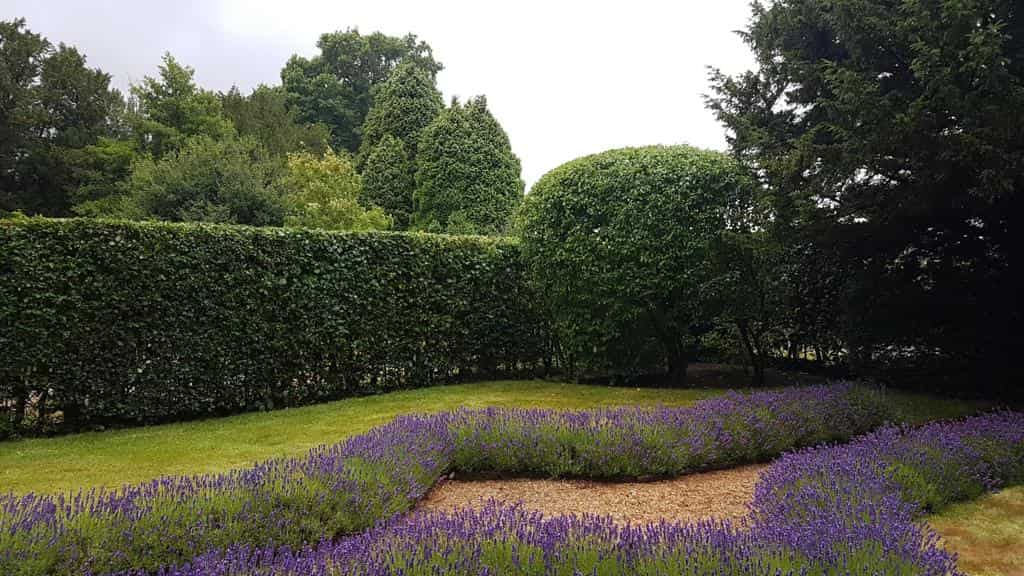
Hedges require a different approach from individual trees. Routine cutting can maintain a defined shape, while a hedge that has become excessively tall or wide may need a planned reduction.
The species and condition of the hedge determine how far it can be cut back without leaving long-lasting bare areas. Gradual reduction may be more suitable than one severe cut.
Match the Service to the Desired Result
Explaining the practical problem helps the tree surgeon recommend suitable work. Useful information includes whether you want to:
- Restore clearance over a path
- Reduce the spread of a canopy
- Remove damaged branches
- Improve the balance of an uneven tree
- Manage low growth
- Remove an unwanted stump
- Regain space within the garden
- Bring an overgrown hedge under control
Clear objectives make it easier to agree on the scope of work and avoid removing more growth than necessary.
Consider the Whole Garden
Tree work can affect light, screening, access and the appearance of surrounding planting. A tree that provides valuable privacy may need a more measured approach than one standing in an open area.
The work should also account for sheds, patios, lawns, fences and delicate planting beneath the canopy. Planning access and branch removal is part of choosing the correct service.
Expect a Clear Explanation
A professional recommendation should explain what work is proposed, which parts of the tree will be affected and what the likely result will look like. It should also acknowledge limitations, such as the degree of reduction a tree can reasonably tolerate.
Hoddesdon Tree Surgeons assesses each tree and its surroundings before recommending suitable work. This helps ensure the chosen service addresses the actual problem while preserving the tree where appropriate.
Conclusion
Choosing the right tree surgery service begins with a professional assessment and a clear understanding of the desired outcome. Pruning, crown reduction, dead wood removal, felling and stump grinding each solve different problems and should not be used interchangeably.
If you need guidance about a tree or hedge at your property in Hoddesdon, Hertfordshire, contact Hoddesdon Tree Surgeons to arrange an assessment and discuss the most appropriate service for your garden.
Call us on: 01992 932 599
Click here to find out more about Hoddesdon Tree Surgeons
Click here to complete our contact form and see how we can help with your tree care needs.